
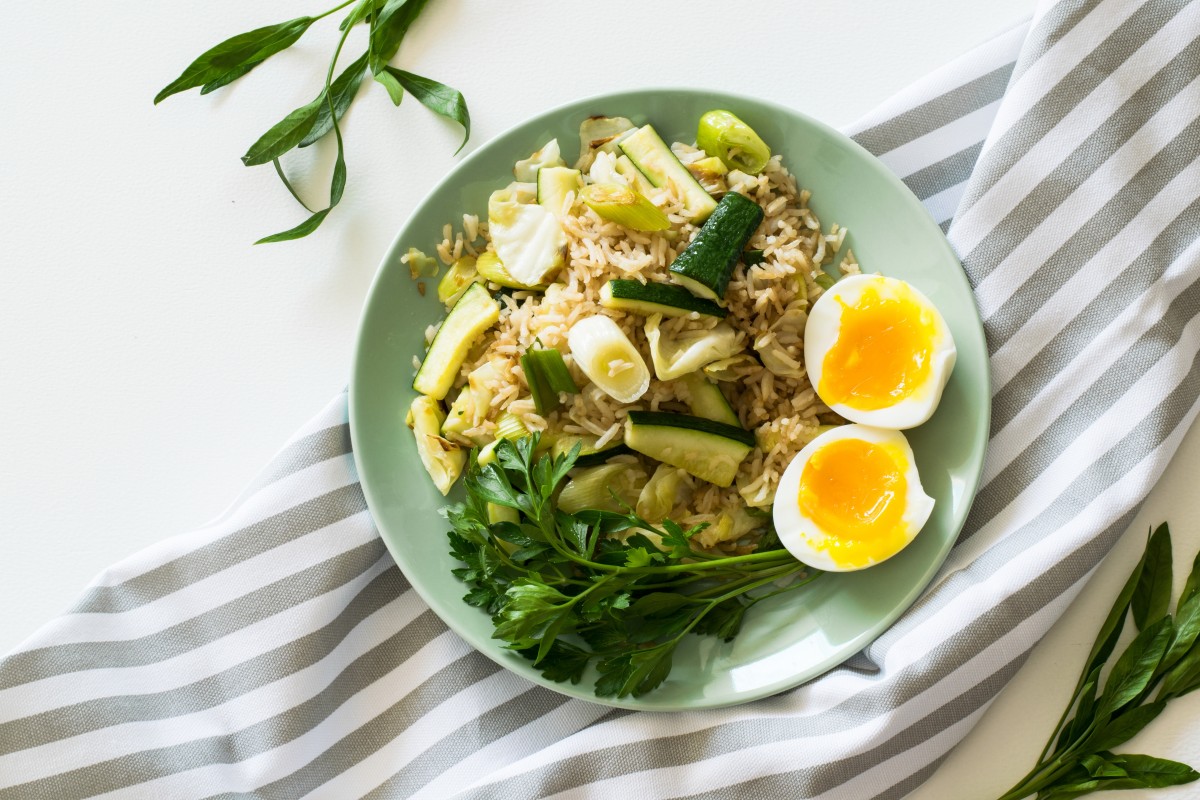
ข้าวเหนียวสังขยาใบเตย
ข้าวเหนียวสังขยาใบเตย: Pandan Coconut Sticky Rice with Sangkaya (Beginner-Friendly)
Introduction
ข้าวเหนียวสังขยาใบเตย is a beloved Thai dessert that pairs warm coconut sticky rice with a silky pandan-flavored coconut custard (sangkaya). This comforting, fragrant treat is perfect for beginners and home cooks who want to explore authentic Thai flavors. In this recipe I’ll walk you through simple steps, handy tips, and easy substitutions so you can confidently make ข้าวเหนียวสังขยาใบเตย at home.
Ingredients for ข้าวเหนียวสังขยาใบเตย
- 2 cups glutinous (sticky) rice, rinsed and soaked 4–6 hours
- 1 1/4 cups coconut milk (for mixing with cooked rice)
- 1/2 teaspoon fine salt (for the rice)
- Optional: 1–2 tablespoons sugar (if you prefer slightly sweet rice)
- For the pandan sangkaya (custard):
- 4 large eggs
- 1 cup coconut milk
- 3/4 cup palm sugar (or light brown sugar)
- 6–8 fresh pandan leaves (or 1–2 teaspoons pandan paste)
- 1/8 teaspoon salt
- 1 tablespoon tapioca starch (optional, helps set)
- For the finishing coconut cream (optional):
- 1/2 cup thick coconut cream
- A pinch of salt and 1 teaspoon sugar
- Garnish: toasted sesame seeds or shredded toasted coconut (optional)
Instructions for ข้าวเหนียวสังขยาใบเตย
- Soak the rice: Rinse 2 cups glutinous rice in cold water until the water runs almost clear. Soak the rice in fresh water for 4–6 hours (overnight is fine).
- Steam the rice: Drain the soaked rice and transfer to a steamer basket lined with cheesecloth or a clean kitchen towel. Steam over boiling water for 20–25 minutes until the rice is tender and shiny.
- Prepare coconut mix for rice: While the rice steams, gently warm 1 1/4 cups coconut milk with 1/2 teaspoon salt (and 1–2 tablespoons sugar if using) in a small saucepan—do not boil. Remove from heat.
- Mix rice with coconut milk: When the rice is cooked, transfer it to a mixing bowl, pour the warm coconut milk over the hot rice, cover, and let it sit for 10–15 minutes so the rice absorbs the coconut flavor. Fluff gently with a fork or paddle.
- Make pandan juice: Rinse pandan leaves and roughly chop. Blend the leaves with 1/4 cup water, then strain through a fine sieve or cheesecloth to extract the green pandan juice. You should get about 2–3 tablespoons of bright green juice (or use pandan paste).
- Prepare the sangkaya mixture: In a bowl, whisk 4 eggs until smooth. In a saucepan, warm 1 cup coconut milk with 3/4 cup palm sugar and 1/8 teaspoon salt just until the sugar dissolves (don’t boil). Slowly temper the warm coconut mixture into the beaten eggs while whisking. Add the pandan juice and 1 tablespoon tapioca starch (if using), and strain the mixture through a fine sieve to remove lumps and pandan fibers.
- Steam the custard: Pour the strained sangkaya into small ramekins or a shallow heatproof dish. Cover each ramekin with foil. Steam gently over simmering water for 18–25 minutes (time depends on size) until the custard is set but still slightly wobbly in the center. A toothpick should come out mostly clean.
- Prepare finishing coconut cream: Mix 1/2 cup thick coconut cream with a pinch of salt and 1 teaspoon sugar. Warm slightly so it’s pourable.
- Serve: Spoon warm coconut sticky rice onto a plate, cut the pandan sangkaya into slices or scoop out a ramekin portion, place on top of the rice, and drizzle with the finishing coconut cream. Garnish with toasted sesame seeds or toasted shredded coconut if desired.
Cooking Tips for Perfect ข้าวเหนียวสังขยาใบเตย
– Soaking the glutinous rice is essential: it ensures even cooking and the soft, sticky texture characteristic of ข้าวเหนียวสังขยาใบเตย.
– Use a bamboo steamer or an electric steamer for the most authentic texture; a steaming basket lined with cheesecloth works well in a metal steamer too.
– When making sangkaya, always temper the warm coconut milk into the eggs slowly to avoid scrambling. Straining the custard mix removes pandan fibers and gives a silky finish.
– Control the steam for custard: gentle simmering produces a smooth custard. High heat can cause cracks or curdling.
– If you can’t find fresh pandan leaves, pandan paste or pandan extract are convenient substitutes—reduce quantity according to potency.
– To make ahead: keep the rice and custard refrigerated separately. Reheat rice by sprinkling a little water on top and steaming or microwaving covered for short intervals. Re-steam custard briefly to warm without overcooking.
Nutritional Information (Approximate per serving)
These values are estimates for one serving (assuming 6 servings total). Actual nutrition varies by brand and exact measurements.
- Calories: ~420 kcal
- Carbohydrates: ~58 g
- Fat: ~17 g (mostly from coconut milk)
- Protein: ~6 g
- Sugar: ~18–22 g (depends on sugar used)
Note: ข้าวเหนียวสังขยาใบเตย is a rich, coconut-based dessert—enjoy in moderation. For a lighter version, reduce the coconut milk量 or sugar in the custard.
Conclusion
Making ข้าวเหนียวสังขยาใบเตย at home is a rewarding way to experience classic Thai flavors—fragrant pandan custard paired with creamy coconut sticky rice. With simple pantry ingredients and the steaming steps above, beginners can create an authentic dessert that’s perfect for special occasions or a comforting treat. Try this ข้าวเหนียวสังขยาใบเตย recipe, experiment with pandan intensity, and enjoy a delightful slice of Thailand in your kitchen.